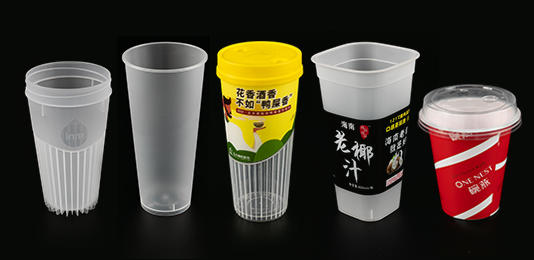
Synopsis Of Plastic Cup Mould:
A plastic cup mould is a tool used to manufacture plastic cups. The mould is designed to create the shape and size of the plastic cups. It is made of high-quality steel or aluminum and is precision-engineered to ensure accurate and consistent results.
The plastic cup mould consists of two halves, the cavity, and the core. The cavity is where the melted plastic is injected, and the core creates the inner shape of the cup. The mould is clamped together and then injected with plastic material under high pressure. The plastic is then allowed to cool and solidify, and the mould is opened to release the finished cup.
The design of the plastic cup mould is critical to ensure the cup's quality, including its thickness, shape, and durability. The mould's design must take into account factors such as the type of plastic used, the production volume, and the manufacturing process. The mould must be designed to minimize waste and reduce the time it takes to produce each cup.
Advantage Of Plastic Cup Mould:
High efficiency: Plastic cup moulds are designed to produce a large volume of cups in a short amount of time, which increases efficiency in the manufacturing process.
Consistent quality: The design of the plastic cup mould ensures that each cup produced is of the same high quality, with consistent thickness, shape, and durability.
Customizability: Plastic cup moulds can be customized to produce cups of different sizes, shapes, and colors to meet specific customer needs and preferences.
Reduced waste: The use of a plastic cup mould reduces the amount of waste generated during the manufacturing process, which is beneficial for both the environment and the bottom line.
Cost-effective: The use of a plastic cup mould is a cost-effective way to produce high-quality cups in large quantities, which can help reduce production costs and increase profitability.
Durability: Plastic cup moulds are typically made of high-quality steel or aluminum, which ensures that they are durable and long-lasting, reducing the need for frequent replacements.
Applicable Of Plastic Cup Mould:
Food and Beverage Industry: Plastic cups are widely used in the food and beverage industry for serving cold drinks, juices, smoothies, and desserts. The plastic cup moulds are designed to produce high-quality cups that meet the industry standards for safety and hygiene.
Healthcare Industry: The healthcare industry uses plastic cups for dispensing medicines, creams, and lotions. These cups are often designed to be single-use and disposable to maintain hygiene and prevent the spread of infections.
Household Items: Plastic cups are used in households for a variety of purposes, including drinking, serving snacks, and holding small items. The plastic cup moulds can be customized to produce cups of different sizes, shapes, and colors to meet the specific needs of customers.


 Search
 中文简体
中文简体 Español
 русский
 Français