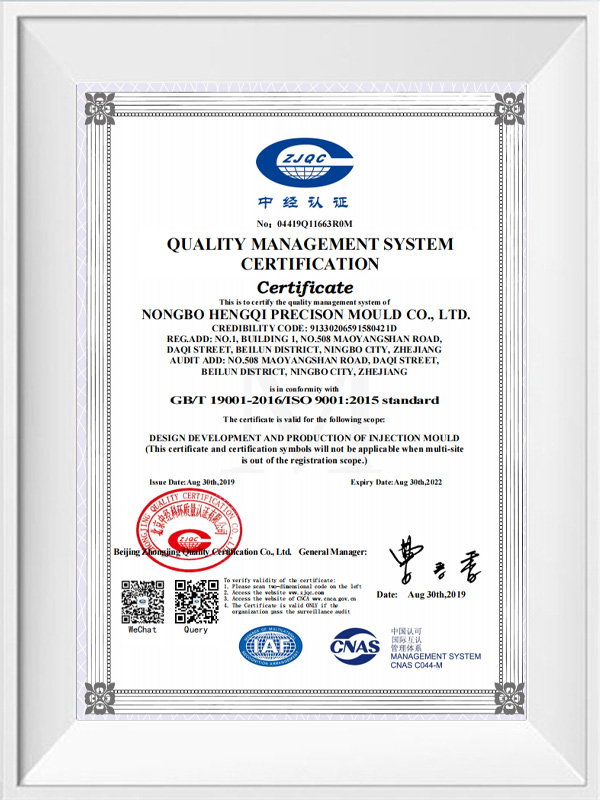
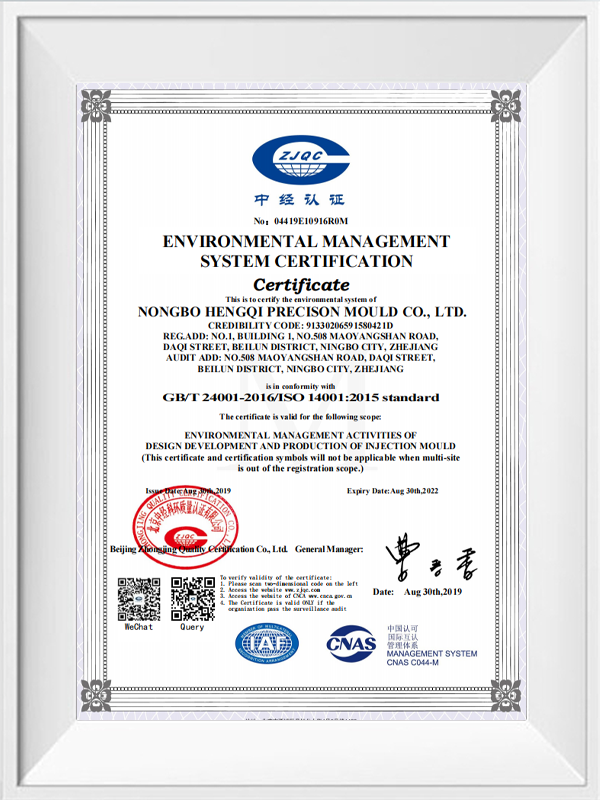
We understand the challenges of various industries, and manufacture reliable quality products through top-notch equipment and professional production technology, so that customers' ideas can be quickly realized.
Scaling up beverage cup production sounds straightforward until the reality of mold selection hits. The wrong tooling choice doesn't just slow output — it affects wall consistency, ejection reliabil
The mold arrived, the machine is cleared for setup, and the production schedule is already pressing. But nobody on the floor has run this particular tool before — and the last time a mold went in wi
Production managers running high-volume plastic cup operations know the frustration intimately: cycle times that won't compress further, material waste accumulating shift after shift, and surface inco
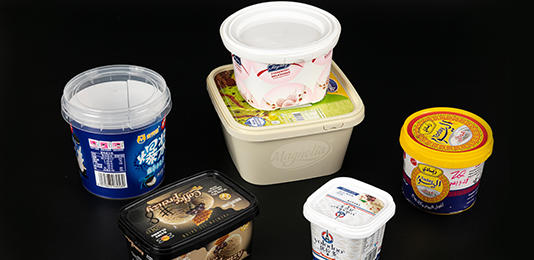
In food packaging, the container is often the first thing a buyer notices before the product itself. Shape, surface finish, label presentation, and opening safety all influence how a package performs on the shelf. For this reason, many brands are moving toward thin wall plastic containers that combine lower material use with a cleaner and more premium appearance.
Across categories such as butter, margarine, fruit, cheese, cookies, ice cream, sauces, salads, and chili products, packaging needs are no longer limited to simple storage. Retailers and consumers expect containers to look attractive, stack efficiently, protect the contents, and fit modern recycling requirements. This has made thin wall plastic mould development an important part of packaging strategy, not just a manufacturing step.
Different product types also require different mould solutions. Standard containers remain common for everyday food packaging, while multi-compartment boxes are increasingly used for products that need separation inside one pack. Sauce containers often require precise sealing performance and stable dimensions, especially in large production runs. In some markets, tamper-evident closure design has also become more valuable because it helps improve hygiene protection and gives the final package a more advanced retail image.
Another growing trend is the use of in-mould labeling for food containers. Compared with traditional decoration methods, this approach gives the package a more integrated appearance and allows branding and product information to become part of the container itself. When label and container materials are matched properly, recycling becomes more straightforward, which is a practical advantage for brands responding to sustainability expectations in export markets.
From a production perspective, the mould must support more than appearance alone. Stable cycle time, reliable forming, and long-term durability are essential in high-volume packaging lines. This is why experienced mould manufacturers pay close attention to cavity configuration, steel selection, and hot runner design. A container mould that runs consistently over time can help reduce downtime, improve output, and support better quality control across large orders.
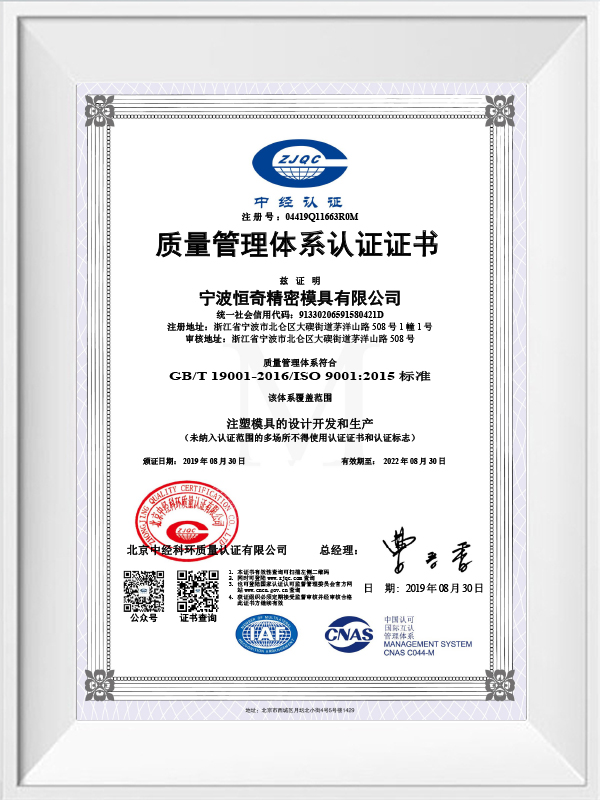
At Hengqi Precision Mould, thin wall plastic container moulds are developed for practical use in demanding food packaging applications. With experience built through hundreds of box mould projects each year, the company is able to support customers from early concept development to mould manufacturing for long-run production. For packaging businesses, choosing the right mould partner is not only about tooling supply, but also about building a stable foundation for product presentation, efficiency, and market competitiveness.