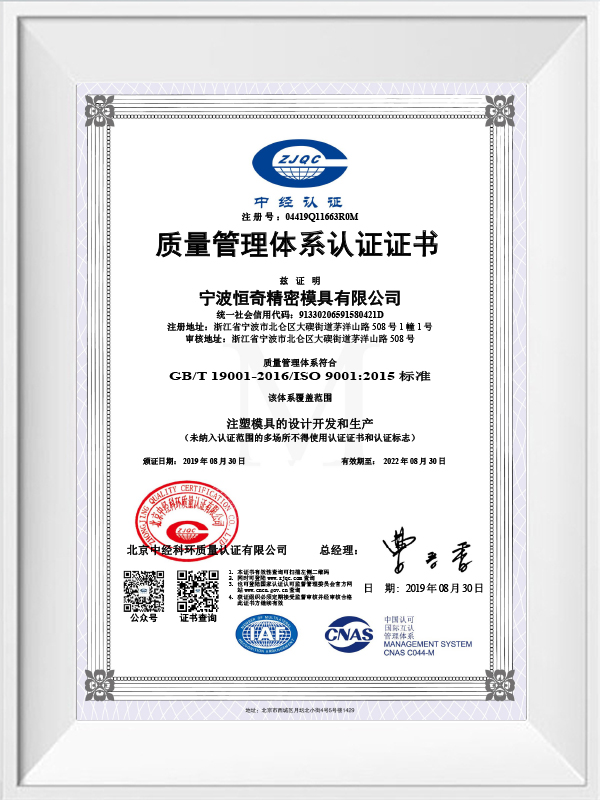
We understand the challenges of various industries, and manufacture reliable quality products through top-notch equipment and professional production technology, so that customers' ideas can be quickly realized.
In everyday cup forming work, silicone tools sit in a repeating cycle of heat, liquid contact, cooling, and cleaning. The behavior feels steady and predictable in the early stage. After a while, smal
What is Plastic Container Mould and how it shapes everyday food storage container design Plastic Container Mould is the forming structure used to give shape to a storage container during production. I
What defines a thin wall plastic mould and why it matters in modern packaging design A Thin Wall Plastic Mould is designed for products with a slim body and a shape that still needs to hold its form d
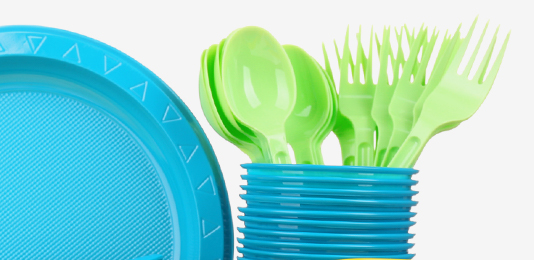
For disposable cutlery manufacturers, mould quality influences far more than production volume. In food service packaging, a well-built plastic spoon and fork mould also helps maintain part consistency, supports cleaner handling, and contributes to a more reliable packing process. This matters in applications such as takeaway meals, airline catering, quick-service restaurants, and pre-packed food sets, where spoons and forks must be produced in large quantities without sacrificing hygiene or appearance.
Buyer expectations have also changed in recent years. In many markets, it is no longer enough for disposable spoons and forks to be low-cost and easy to produce. Packaging buyers increasingly look at how the products move through the full production line, from moulding and demoulding to stacking and final packing. When a plastic spoon mould or plastic fork mould is designed to work smoothly with automated handling equipment, manufacturers can reduce unnecessary manual contact, improve line stability, and create a cleaner overall production environment for food-related packaging.
Material selection often plays a bigger role in mould planning than buyers first assume. In disposable cutlery production, PP and PS remain common choices because they run efficiently in large-volume manufacturing and suit many standard food service applications. PLA, however, is becoming more relevant in projects where customers are looking for alternative material solutions for certain packaging programs or market requirements. For companies supplying different regions, a plastic spoon and fork mould that can be matched to more than one material option offers clear advantages in day-to-day production and customer response.
Design requirements can vary just as much as material choice. Disposable spoons and forks used in one market may not suit another without changes in size, shape, or strength. Some buyers focus on spoon depth, others on fork rigidity, handle proportions, or the overall thickness of the part. That is why a plastic spoon mould or plastic fork mould should be developed around real application needs rather than basic geometry alone. In high-volume disposable cutlery manufacturing, the mould must deliver repeatable forming performance while keeping the finished product visually consistent, comfortable to use, and strong enough for its intended food service purpose.
From a tooling perspective, long-term reliability depends on practical engineering choices. The cavity number can be matched according to the product model and output demand, while front and rear mould materials such as 2344 or S136 are commonly selected for dependable performance. Mould base materials including P20, 4Cr13, or customer-specified options can be chosen based on production requirements, and runner systems such as cold runner, needle point, or needle valve can be adapted to suit different cutlery designs and manufacturing targets.
At Hengqi Precision Mould, disposable cutlery mould development is built around real production needs in global food packaging markets. In addition to food container mould manufacturing, the company supports dedicated knife, fork, and spoon tooling solutions designed for efficient operation, cleaner packaging workflows, and dependable long-run use. For manufacturers targeting food service, takeaway, and export packaging applications, the right mould solution supports not only productivity, but also product hygiene, consistency, and market readiness.